
Hiring the right employees is essential for business growth. The people an organization hires influence productivity, customer experience, teamwork, and long-term success. However, finding suitable candidates can be challenging when a business does not have a clear recruitment process.
Without a structured approach, companies may experience unnecessary hiring delays, receive unsuitable applications, or struggle to make consistent decisions.
A well-organized recruitment process helps businesses identify their staffing needs, attract qualified candidates, evaluate applicants fairly, and make informed hiring decisions.
Whether you are expanding your team or filling an existing vacancy, understanding the essential recruitment process steps can help you improve hiring outcomes.
What Is the Recruitment Process?
The recruitment process is a series of activities organizations use to identify, attract, assess, and select candidates for available positions.
It typically begins when a business identifies a staffing requirement and continues through job advertising, candidate screening, interviews, selection, and the offer stage. Depending on the organization, it may also connect with onboarding.
Although recruitment processes differ across industries, the objective remains the same: finding suitable people whose skills and experience match the requirements of the role.
1. Identify Your Hiring Needs
The first step is understanding why the organization needs to hire someone.
A vacancy may arise because an employee leaves, a department expands, or a business introduces a new service. Before starting recruitment, determine whether the role is necessary and what responsibilities the new employee will handle.
Consider the following questions:
- What business need will this position address?
- Which responsibilities will the employee manage?
- What skills and qualifications are essential?
- Will the role be full-time, part-time, temporary, or contract-based?
- What budget is available for compensation?
Clear answers help hiring managers define the position and avoid unnecessary recruitment activity.
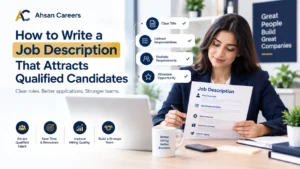
2. Prepare a Clear Job Description
A job description explains the role, its responsibilities, and the qualifications required from applicants.
An effective job description should include the job title, key duties, essential skills, relevant experience, working arrangements, and application instructions.
Avoid adding requirements that are not genuinely necessary for the role. Excessive requirements may discourage capable candidates from applying.
Use straightforward language and explain what success in the position looks like.
For example, instead of asking for a candidate who is simply a strong communicator, explain the actual communication responsibilities, such as preparing client reports, coordinating with internal teams, or presenting project updates.
A clear description helps candidates understand the opportunity and enables recruiters to evaluate applications more consistently.
3. Choose the Right Recruitment Channels
Once the role is defined, decide where to find suitable candidates.
Different positions may require different sourcing methods. Some businesses may benefit from job boards, professional networks, employee referrals, industry communities, or specialist recruitment partners.
Consider your target candidates, the skills required, the available budget, and the urgency of the vacancy when choosing recruitment channels.
Track which sources produce relevant applicants rather than focusing only on the total number of applications received.
A smaller pool of qualified candidates can be more useful than a large number of applications that do not match the role.
4. Review Applications and Shortlist Candidates
Candidate screening helps identify applicants whose qualifications and experience align with the job requirements.
Start with a consistent set of essential criteria. Review relevant experience, demonstrated skills, professional qualifications, and evidence of work related to the position.
Avoid judging candidates solely by the design of their CV, prestigious employers, or assumptions about their background.
For roles that require practical skills, consider appropriate work samples or job-related assessments.
A structured shortlist allows recruiters to focus their time on candidates who meet the role’s requirements while maintaining a fair and consistent evaluation process.
5. Conduct Structured Interviews
Interviews provide an opportunity to understand candidates beyond their written applications.
Prepare questions that relate directly to the responsibilities and competencies required for the role. Ask candidates to describe relevant experiences, explain how they approached challenges, and provide examples of their work.
For example, a project management candidate might be asked to describe how they handled a missed deadline or resolved a disagreement between team members.
Use consistent core questions and an evaluation scorecard to compare candidates against the same criteria.
Keep the interview process proportionate to the position. Multiple interview rounds may be appropriate for senior or specialized roles, but unnecessary stages can delay decisions and create a poor candidate experience.
6. Assess Skills and Role Suitability
Interviews are useful, but they may not provide all the evidence needed to make a hiring decision.
Depending on the position, a business may use a practical assessment, portfolio review, technical exercise, or job-related scenario.
For example, a software developer might complete a relevant coding exercise, while a designer could present previous projects and explain the decisions behind them.
Assessments should be relevant to the actual job, clearly explained, and proportionate to the time required from candidates.
Use the results alongside interview evidence and professional experience rather than relying on a single assessment to determine suitability.
7. Check References and Relevant Credentials
For positions where verification is appropriate, reference checks and credential verification can help confirm important information about a candidate.
Explain the process to candidates and obtain the necessary consent before contacting references or conducting checks where required.
Verification should be relevant to the role and comply with applicable privacy, employment, and other legal requirements.
Use a consistent process for comparable candidates, and give applicants an appropriate opportunity to clarify material discrepancies.
8. Make the Hiring Decision
Once the assessment stages are complete, compare the available evidence against the agreed selection criteria.
Consider the candidate’s relevant skills, experience, demonstrated abilities, and suitability for the actual responsibilities of the role.
Avoid allowing personal preferences or unrelated characteristics to override job-related evidence.
It is also important to gather interview feedback promptly. Delayed decisions can cause strong candidates to withdraw or accept other opportunities.
Assign clear decision-making responsibilities before recruitment begins so that everyone understands who makes the final selection.
9. Make a Clear and Competitive Job Offer
When a preferred candidate has been selected, communicate the offer professionally and explain the important terms.
Depending on the role and local requirements, these may include compensation, benefits, working hours, job responsibilities, reporting arrangements, start date, and relevant contractual conditions.
Give the candidate a reasonable opportunity to review the offer and ask questions.
If the candidate raises concerns, respond transparently and within the organization’s approval process.
A clear offer helps both parties understand expectations before employment begins.
10. Plan a Smooth Onboarding Process
Recruitment does not end with an accepted offer. A well-planned onboarding process helps new employees understand their responsibilities, meet colleagues, and become familiar with company procedures.
Before the employee’s first day, arrange the necessary equipment, access permissions, documentation, and introductions.
During the initial weeks, explain performance expectations, provide relevant training, and schedule check-ins with the manager.
Effective onboarding can help new employees settle into their roles and understand how their work contributes to the organization.
Common Recruitment Mistakes Businesses Should Avoid
Even a well-intentioned hiring team can make mistakes that reduce recruitment effectiveness.
Common problems include:
- Starting recruitment without clearly defining the role.
- Writing job descriptions with unrealistic requirements.
- Relying on only one candidate sourcing channel.
- Using inconsistent screening and interview criteria.
- Adding unnecessary interview rounds.
- Delaying feedback and hiring decisions.
- Failing to communicate clearly with candidates.
- Neglecting onboarding after the offer is accepted.
Reviewing these areas regularly can help businesses identify inefficiencies and improve their hiring process.
How Can Businesses Improve Their Recruitment Process?
Businesses can improve recruitment by treating hiring as a structured business activity rather than a series of disconnected tasks.
Start by defining responsibilities, setting realistic timelines, and agreeing on selection criteria before advertising a vacancy.
Track relevant measures such as time-to-hire, offer acceptance rate, candidate withdrawal rate, and quality of hire. Reviewing these indicators together can help identify where improvements are needed.
It is also useful to gather feedback from hiring managers and candidates to understand which stages work well and which create unnecessary friction.
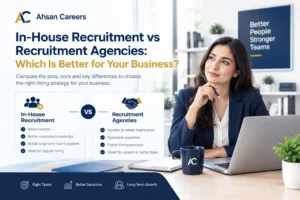
For organizations with limited internal recruitment resources, external recruitment support may help with candidate sourcing, screening, interview coordination, or other agreed activities.
The right approach depends on the organization’s size, hiring requirements, available resources, and the complexity of the roles involved.
Frequently Asked Questions
What are the main steps in the recruitment process?
The main steps usually include identifying hiring needs, preparing a job description, sourcing candidates, screening applications, conducting interviews, assessing relevant skills, checking references where appropriate, selecting a candidate, making an offer, and planning onboarding.
Why is a structured recruitment process important?
A structured process helps businesses evaluate candidates consistently, manage recruitment timelines, clarify responsibilities, and make better-informed hiring decisions.
How long should the recruitment process take?
There is no universal timeline. Hiring duration depends on the role, candidate availability, market conditions, internal approvals, and the assessment stages required. Businesses should establish realistic benchmarks for comparable positions.
Can small businesses use the same recruitment process as large companies?
Yes. Small businesses can follow the same core principles while simplifying the process to suit their resources. A clear job description, consistent screening criteria, structured interviews, and timely communication provide a useful foundation.
When should a business work with a recruitment agency?
External recruitment support may be useful when a business needs specialized talent, has several vacancies to fill, lacks sufficient internal recruitment capacity, or needs help reaching suitable candidates.
Final Thoughts
A successful recruitment process requires clear planning, consistent candidate evaluation, effective communication, and timely decisions.
By following these recruitment process steps, businesses can create a more organized hiring experience and make informed decisions about the people they bring into their teams.
The objective is not simply to fill a vacancy. It is to identify suitable candidates, evaluate them fairly, and create the conditions for long-term success.
Need Help With Your Recruitment Strategy?
Ahsan Careers supports organizations seeking recruitment solutions aligned with their hiring requirements.
If your business is planning to expand its team or improve its recruitment approach, explore the services available at Ahsan Careers and get in touch to discuss your hiring needs.