Hiring the right employees is essential for business growth. The right people can improve productivity, strengthen teamwork, deliver better customer experiences, and help an organization achieve its goals.
However, recruitment does not always go as planned. Businesses may struggle to attract qualified candidates, spend too much time filling vacancies, or hire someone who turns out to be unsuitable for the role.
Many of these problems result from avoidable hiring mistakes.
Understanding the common hiring mistakes businesses should avoid can help employers improve their recruitment process, make more informed decisions, and build stronger teams.
In this guide, we explore the most frequent recruitment challenges and practical ways to prevent them.
1. Writing Unclear Job Descriptions
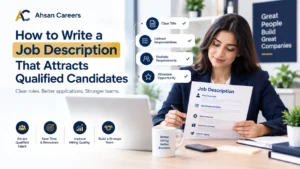
A job description is often a candidate’s first introduction to a vacancy. If it is vague, confusing, or overloaded with unnecessary requirements, suitable professionals may decide not to apply.
For example, a description that asks candidates to manage every aspect of a department without explaining their actual responsibilities can create unrealistic expectations.
How to avoid this mistake:
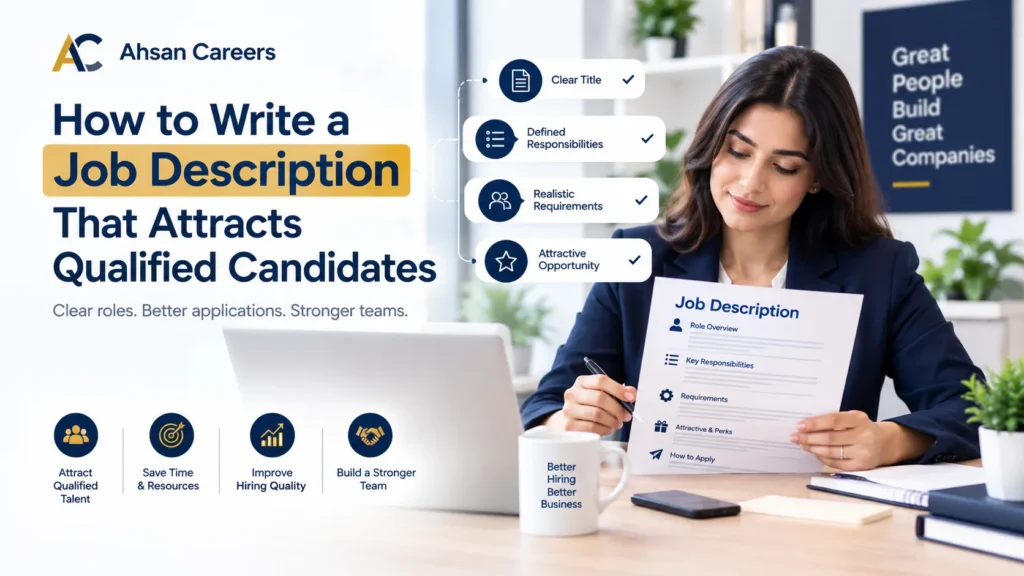
- Use a clear and recognizable job title.
- Explain the main responsibilities.
- Separate essential requirements from preferred qualifications.
- Include the working arrangement and location.
- Provide clear application instructions.
A well-written job description helps candidates understand the opportunity and assess whether their skills match the role.
2. Rushing the Hiring Decision
An urgent vacancy can put pressure on managers to hire quickly. However, rushing the process may lead to overlooked qualifications, insufficient assessment, or a poor match between the candidate and the role.
An unfilled position can affect productivity, but hiring the wrong person may create additional recruitment, training, and operational costs.
How to avoid this mistake:
Establish a realistic recruitment timeline before advertising the vacancy. Identify the essential selection criteria, schedule interviews efficiently, and agree on who will make the final decision.
Speed matters, but every candidate should still be evaluated against the requirements of the position.
3. Focusing Only on the Resume
A resume provides useful information about a candidate’s qualifications, experience, and career history. However, it cannot always demonstrate how someone approaches problems, communicates with colleagues, or performs in a specific working environment.
Rejecting candidates based solely on superficial resume details may also cause employers to overlook people with relevant transferable skills.
How to avoid this mistake:
Use the resume as the starting point rather than the only basis for a decision. Ask candidates relevant questions, discuss examples of their work, and use appropriate assessments where necessary.
Evaluate candidates against consistent, job-related criteria instead of relying on assumptions.
4. Ignoring Cultural and Team Compatibility
Technical skills are important, but employees also need to work effectively with colleagues and adapt to the responsibilities and expectations of the organization.
A candidate may have excellent qualifications yet struggle if the role’s working environment or expectations differ significantly from what they anticipated.
However, cultural compatibility should not become an excuse to hire people who simply resemble the existing team or share the same personal interests.
How to avoid this mistake:
Define the professional behaviors needed for success, such as collaboration, accountability, communication, or adaptability.
Ask structured questions about relevant workplace situations. Assess how candidates approach the work rather than whether they share personal similarities with the interviewer.
5. Asking Inconsistent Interview Questions
When different candidates are asked completely different questions, comparing their answers becomes difficult.
Unstructured interviews can also encourage decisions based on first impressions, personal preferences, or unconscious bias rather than evidence.
How to avoid this mistake:
Prepare a consistent set of core questions linked to the job requirements. Give candidates a fair opportunity to explain their experience, and use a simple scoring framework to evaluate responses.
Interviewers can ask follow-up questions when clarification is needed, but the main assessment criteria should remain consistent.
This makes the hiring process more organized and supports more objective decisions.
6. Overlooking Soft Skills
Some hiring managers focus heavily on technical qualifications while paying insufficient attention to communication, problem-solving, teamwork, and adaptability.
The importance of these skills depends on the role. A technical specialist may need strong analytical abilities, while a customer-facing employee may require excellent listening and communication skills.
How to avoid this mistake:
Identify the interpersonal and professional behaviors that are genuinely necessary for the position.
Ask candidates to describe how they handled a difficult situation, resolved a disagreement, managed competing priorities, or explained a complex issue.
Use their examples to assess relevant skills instead of relying on general claims such as “I am a great team player.”
7. Delaying Communication With Candidates
Recruitment can involve several interview stages, internal approvals, and discussions between hiring managers. When communication slows down, candidates may become uncertain about the opportunity or accept another offer.
Poor communication can also damage the candidate experience and affect how applicants perceive the employer.
How to avoid this mistake:
Set expectations about the recruitment timeline and provide updates when possible. Inform candidates if the process is taking longer than expected.
After interviews, communicate decisions respectfully and promptly. If a final decision has not been made, provide an honest update rather than leaving candidates without information.
Professional communication helps maintain trust, even when an applicant is not selected.
8. Setting Unrealistic Job Requirements
A long list of requirements may seem like a way to find the perfect candidate. In practice, it can discourage qualified applicants who could perform the job successfully.
For example, requiring extensive experience with numerous tools may be unnecessary if several of those skills can be learned during onboarding.
How to avoid this mistake:
Work with the hiring manager to distinguish essential capabilities from skills that can be developed.
Consider relevant experience, transferable skills, and demonstrated ability. Keep requirements aligned with the actual responsibilities and seniority of the role.
Realistic criteria can broaden the pool of suitable applicants without lowering the standards that genuinely matter.
9. Neglecting Reference and Background Checks
Depending on the position and applicable requirements, reference or background checks may help employers verify important information and manage hiring risks.
Skipping appropriate checks can leave relevant questions about qualifications, employment history, or role-specific suitability unresolved.
However, checks should be proportionate and consistent with privacy, consent, and applicable legal requirements.
How to avoid this mistake:
Determine which checks are necessary for the position and apply them consistently. Explain the process to candidates and obtain the required permissions before proceeding.
Verify relevant information through appropriate sources, and avoid treating unverified assumptions as facts.
10. Offering an Uncompetitive or Unclear Employment Package
Qualified candidates often consider more than the job title. Compensation, benefits, flexibility, development opportunities, management expectations, and working conditions may all influence their decision.
If the employment package is unclear or significantly mismatched with the candidate’s expectations, the employer may lose suitable applicants late in the process.
How to avoid this mistake:
Research relevant market conditions and establish a realistic compensation range before beginning recruitment.
Communicate salary, benefits, working hours, location, and employment terms clearly. Be transparent about what the organization can offer rather than making promises that cannot be fulfilled.
Clear expectations help both sides determine whether the opportunity is a suitable match.
11. Failing to Evaluate the Recruitment Process
Some businesses repeat the same recruitment process for every vacancy without reviewing whether it is effective.
If unsuitable candidates consistently reach the final interview stage or vacancies remain open for too long, the process may need improvement.
How to avoid this mistake:
Track relevant recruitment metrics, including:
- Time-to-fill.
- Cost-per-hire.
- Proportion of applicants meeting essential requirements.
- Interview-to-offer ratio.
- Offer acceptance rate.
- New-hire retention, where reliable data is available.
Use these measures to identify bottlenecks and recurring problems. Metrics should support informed decisions rather than encourage hiring managers to prioritize speed at the expense of quality.
12. Ignoring the Onboarding Process
Recruitment does not end when a candidate accepts an offer. New employees need clear expectations, the right tools, appropriate training, and support as they settle into their roles.
Poor onboarding can create confusion, delay productivity, and leave employees uncertain about their responsibilities.
How to avoid this mistake:
Prepare an onboarding plan before the employee’s first day. Make sure they understand their responsibilities, reporting structure, initial priorities, and available support.
Arrange introductions with relevant colleagues and schedule regular check-ins during the early stages of employment.
A structured onboarding experience helps connect the recruitment decision with long-term employee success.
13. Hiring Without a Clear Understanding of Business Needs
Sometimes a vacancy is advertised before the organization has clearly defined why the role is needed.
This can lead to confusing responsibilities, overlapping duties, unrealistic expectations, or recruitment for a position that does not address the actual business problem.
How to avoid this mistake:
Before advertising a vacancy, discuss the business need with the relevant manager.
Clarify the outcomes the employee should achieve, the skills required, the reporting structure, and how success will be evaluated.
A clear understanding of the role makes it easier to write the job description, assess applicants, and select a suitable candidate.
Should Businesses Handle Recruitment Internally or Use an Agency?
The right recruitment approach depends on the organization’s hiring needs, internal resources, and the complexity of the vacancies.
An in-house recruitment team may be well suited to recurring vacancies and organizations with established HR processes.
A recruitment agency may provide useful additional support when a business needs specialist candidates, has limited internal capacity, or is hiring for a difficult-to-fill role.
Some organizations combine both approaches, managing regular vacancies internally while using external recruiters when additional expertise is needed.
The important point is to select a recruitment method that fits the role and the business rather than assuming that one approach is best in every situation.
Recruitment Checklist: Before You Make Your Next Hire
Use this checklist to review your recruitment process before advertising a new vacancy.
- The business need and role responsibilities are clearly defined.
- The job description reflects realistic requirements.
- Essential and preferred qualifications are separated.
- Interview questions and assessment criteria are prepared.
- Compensation and working arrangements are clearly communicated.
- Candidates receive timely updates.
- Selection decisions are based on job-related evidence.
- Appropriate verification checks are completed when required.
- The successful candidate receives clear onboarding support.
- Recruitment results are reviewed for future improvement.
Following a consistent process can help reduce avoidable errors and make hiring decisions more effective.
Frequently Asked Questions About Hiring Mistakes
What is the most common hiring mistake?
There is no single mistake that affects every organization. However, unclear job requirements, inconsistent interviews, rushed decisions, and poor candidate communication are frequent recruitment challenges.
How can businesses improve the quality of their hires?
Start with accurate job descriptions, define consistent selection criteria, use structured interviews, evaluate relevant skills, and provide a clear onboarding process. Review hiring outcomes to identify areas for improvement.
Why is a structured interview important?
Structured interviews help employers assess candidates against consistent, job-related criteria. This makes comparisons easier and can reduce reliance on subjective first impressions.
Should employers prioritize experience or skills?
The answer depends on the role. Some positions require specific qualifications or substantial experience, while others allow candidates to demonstrate transferable skills and learn additional capabilities on the job.
When should a business consider using a recruitment agency?
External support may be useful when a vacancy is difficult to fill, the internal team lacks capacity, or specialist sourcing expertise is required. Businesses should compare the agency’s experience, service terms, and expected value before making a decision.
Final Thoughts
Hiring mistakes can consume time, increase costs, and affect team performance. Many of these problems can be reduced by planning carefully, communicating clearly, and evaluating candidates against relevant criteria.
Start by defining the role accurately, preparing a consistent interview process, keeping candidates informed, and making evidence-based decisions.
Remember that successful recruitment is not simply about filling a vacancy as quickly as possible. It is about finding the right person for the role and creating the conditions for that person to succeed.
By improving your recruitment process step by step, your business can make more informed hiring decisions and build a stronger team over time.
Need Support With Your Recruitment Strategy?
Ahsan Careers provides recruitment-related support for organizations and career resources for professionals.
Visit Ahsan Careers to learn more about the available services and explore ways to support your recruitment or career goals.